Underground power lines generally cost significantly more to install than overhead lines, often several times more per mile because of the excavation, conduit, and specialized cable required. However, underground lines typically have lower long-term maintenance and outage-related costs, since they’re protected from wind, storms, and vegetation. The right choice depends on your budget, site conditions, and priorities around reliability and appearance.
Why Underground Costs More Upfront
Underground power line installation typically costs more than overhead construction because of:
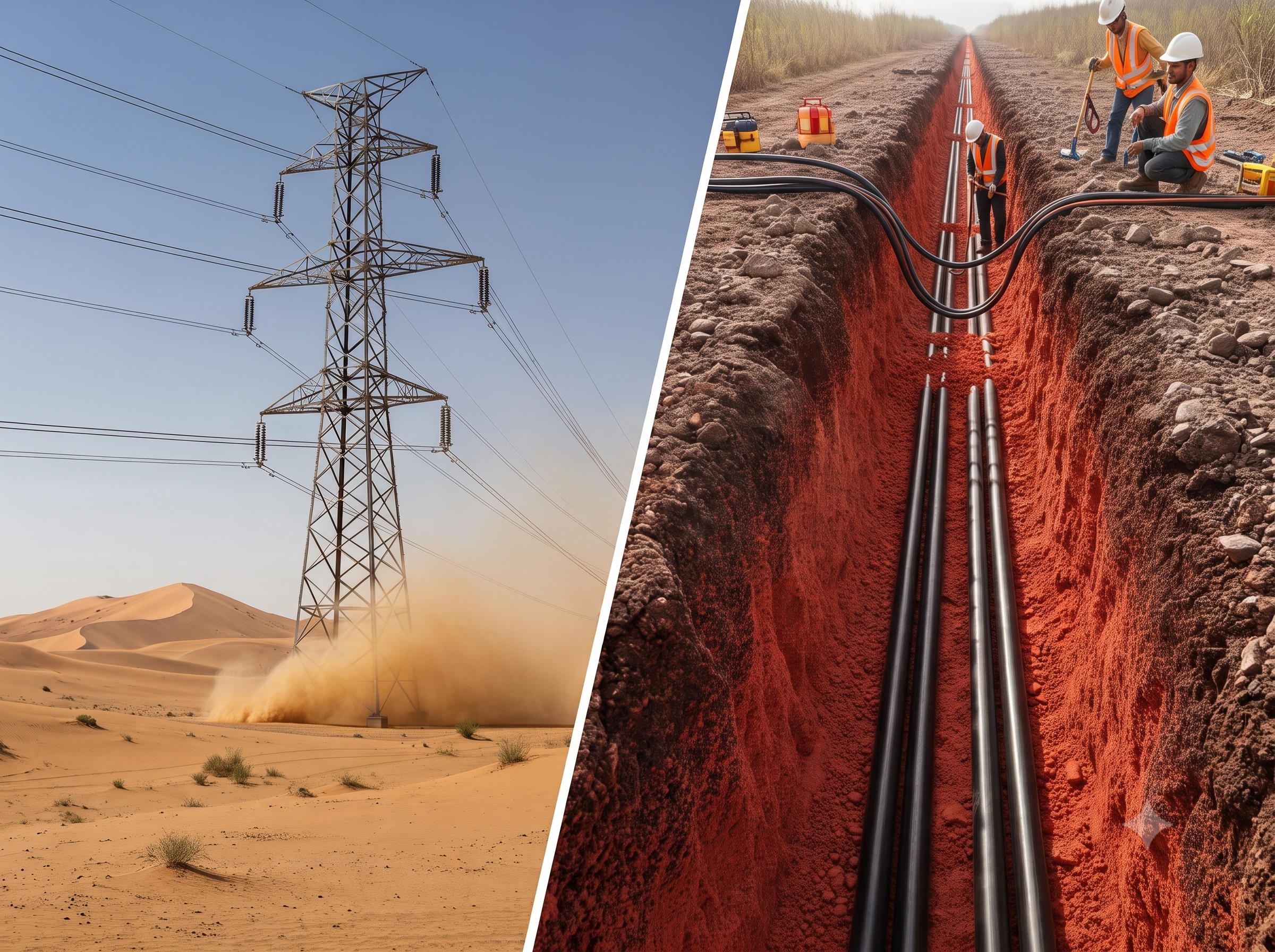
- Trenching and excavation digging and preparing the conduit path, which is more difficult in rocky, urban, or congested terrain
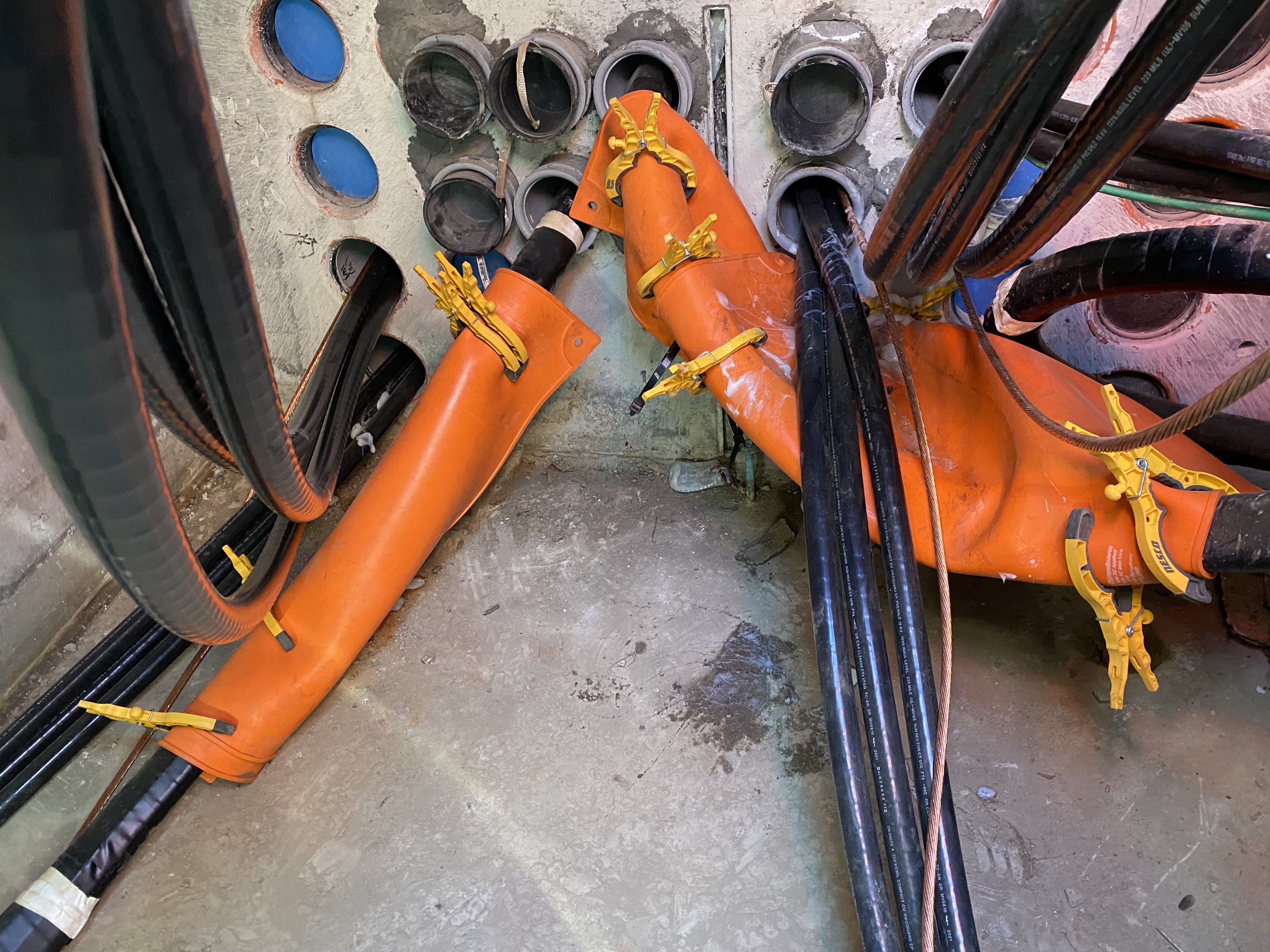
- Conduit and specialized cable underground cable must be insulated and protected differently than overhead conductor
- Restoration: repairing roads, landscaping, and surfaces disturbed during installation
- Access complexity: undergrounding in already-developed areas often means working around existing utilities
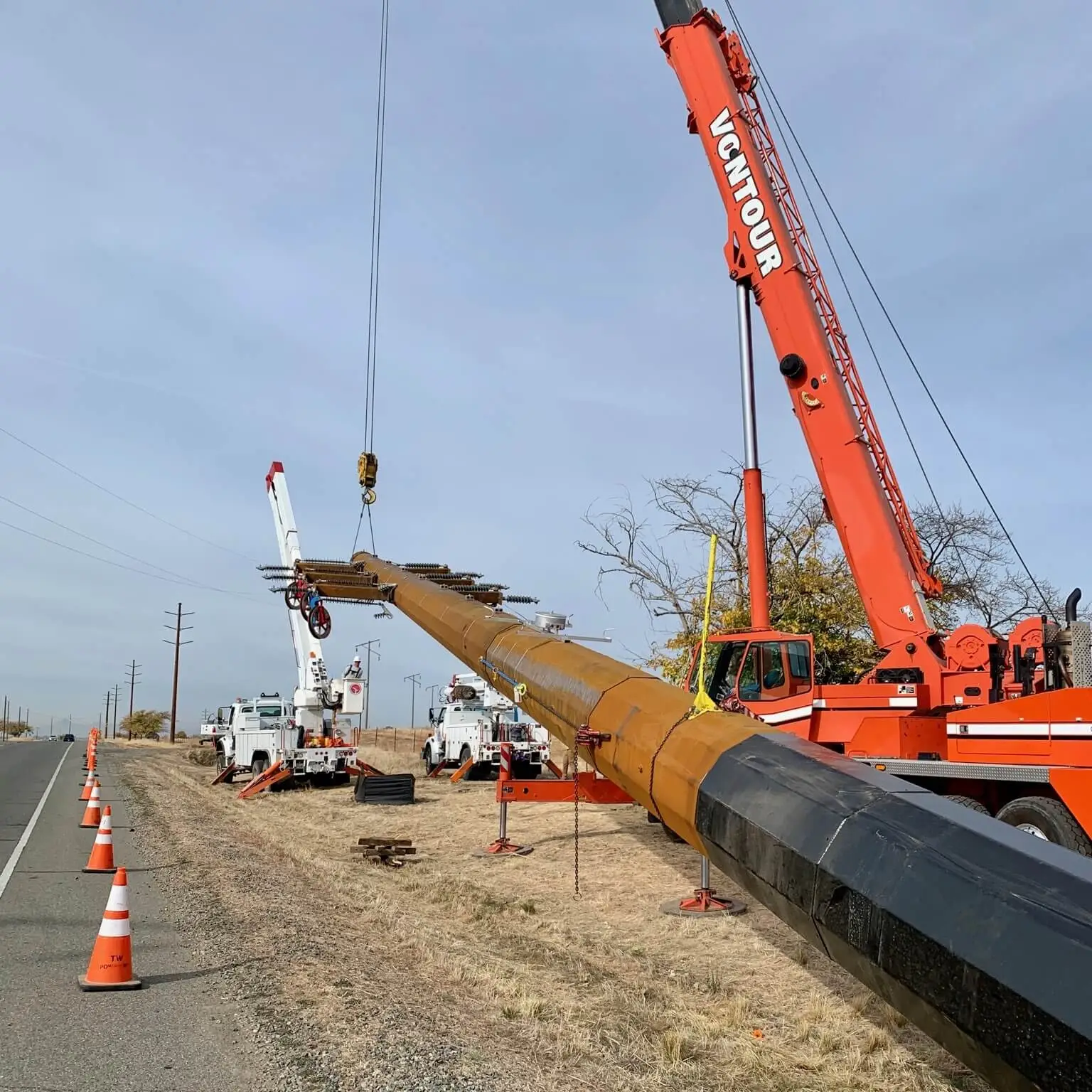
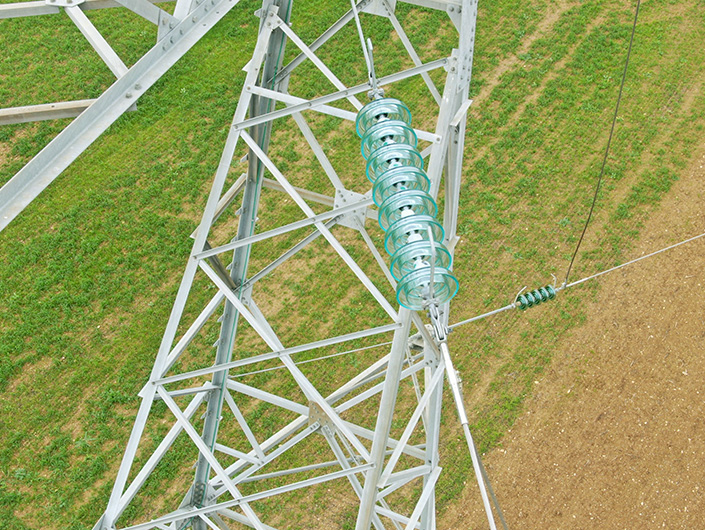
Overhead construction, by comparison, primarily involves pole/tower installation and conductor stringing, generally faster and less labor-intensive per mile.
Overhead vs. Underground: Side-by-Side Comparison
| Factor | Overhead | Underground |
|---|---|---|
| Upfront installation cost | Lower | Higher — often several times overhead cost |
| Storm/wind vulnerability | Higher | Lower |
| Vegetation-related outages | More common | Rare |
| Visual impact | Visible poles/lines | Minimal |
| Repair access | Faster, easier to locate faults | Slower — faults are harder to locate and access |
| Typical maintenance cost over time | Higher (vegetation, storm repair) | Lower, but repairs are more expensive per incident |
Long-Term Cost Considerations
Upfront installation cost isn’t the whole picture. Consider:
- Outage frequency and cost — overhead lines are more exposed to wind, falling trees, and storm damage, which can mean more frequent outages and repair costs over the system’s life
- Wildfire risk mitigation — in high fire-risk areas, undergrounding is sometimes pursued specifically to reduce ignition risk from overhead lines, even at higher upfront cost
- Repair cost per incident — while underground lines fail less often, locating and repairing an underground fault is typically more expensive and time-consuming than repairing an overhead line
- System lifespan — both systems can last decades with proper maintenance, but the maintenance profile differs significantly
Which Option Is Right for Your Project?
Overhead may make sense when:
- Budget and speed of installation are top priorities
- The route crosses undeveloped or rural land without heavy visual/land-use constraints
- Access for future maintenance and repair is a priority
Underground may make sense when:
- The area has high wildfire risk or the goal is to reduce ignition exposure
- Visual impact or land use constraints rule out overhead poles
- The route runs through a developed area where reliability from storm/vegetation damage is a priority
FAQ
How much more expensive is underground than overhead per mile? Costs vary significantly by region, terrain, and voltage class, but undergrounding is commonly several times more expensive per mile than equivalent overhead construction. A project-specific estimate is the only reliable way to compare costs for a given route.
Are underground power lines more reliable than overhead lines? Underground lines are generally less prone to weather- and vegetation-related outages, but when a fault does occur, it typically takes longer and costs more to locate and repair than an overhead line fault.
Why are some utilities undergrounding existing overhead lines? In areas with high wildfire risk, some utilities are converting overhead lines to underground specifically to reduce ignition risk from wind-related equipment failure or vegetation contact, even though the upfront cost is higher.