In brief: Underground cable installation starts with route and utility coordination, then method selection, excavation or boring, conduit and cable placement, testing, backfill, and restoration; engineering requirements vary by site.
Planning the Route and Installation Method
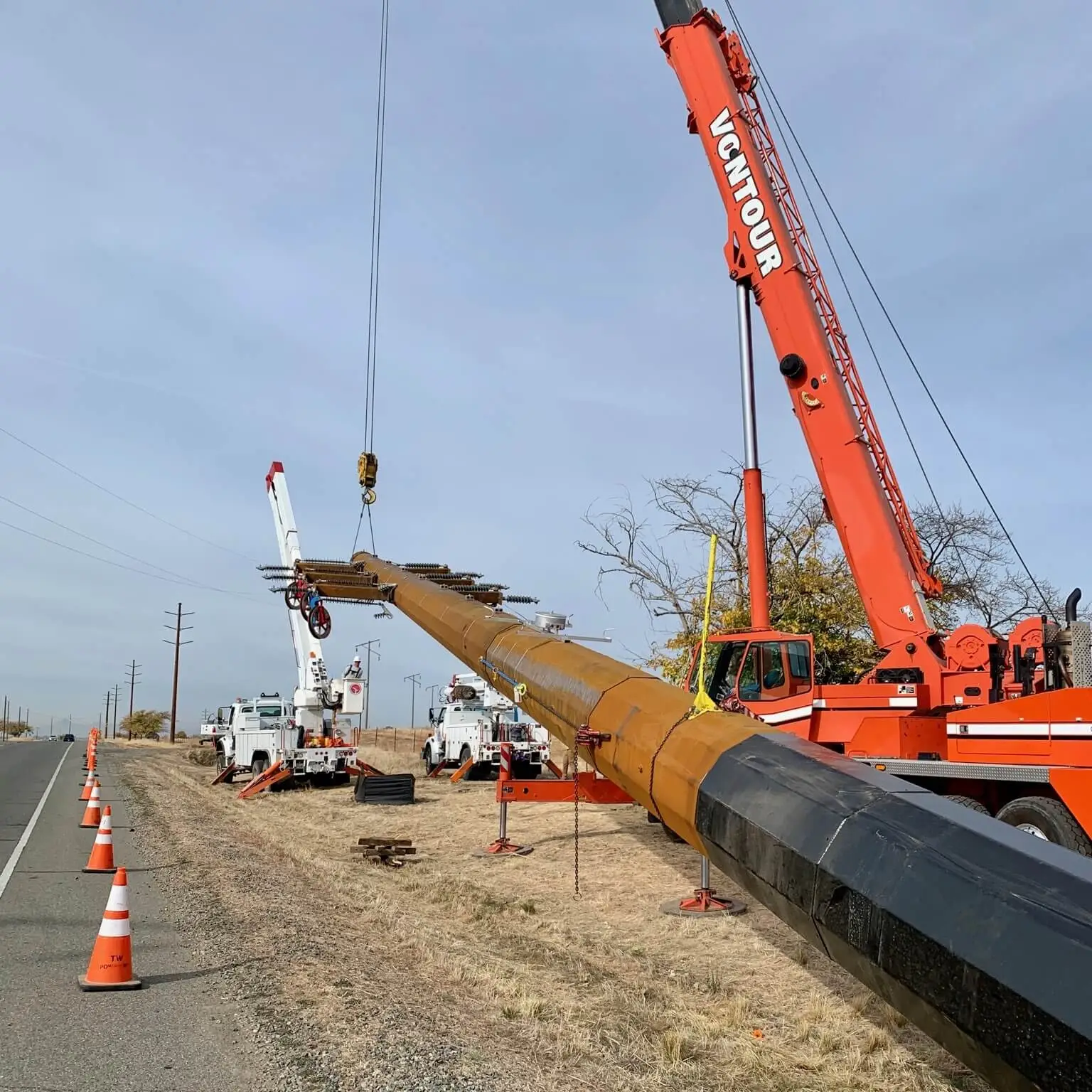
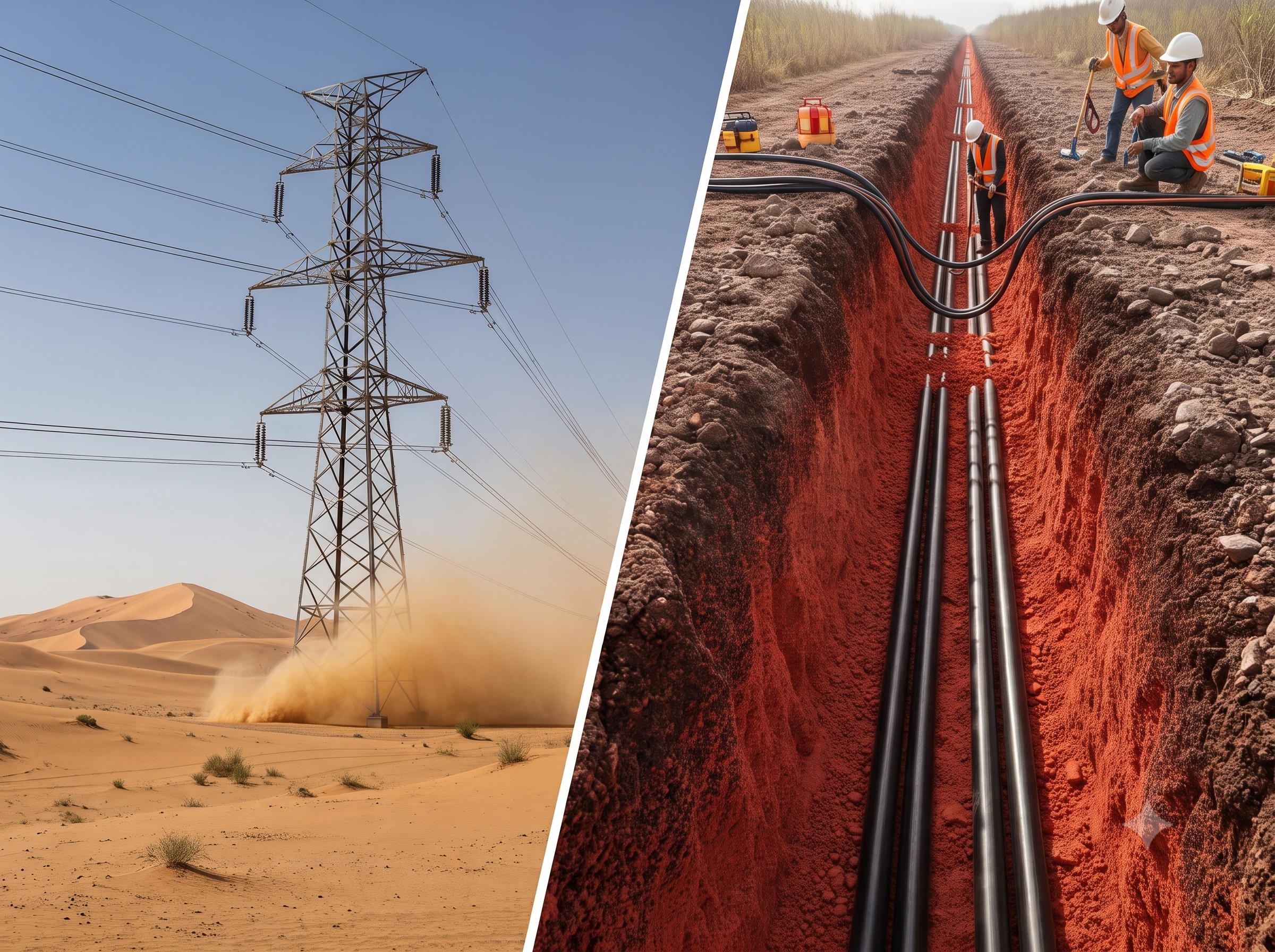
Underground cable projects begin with route planning, review of existing utilities, site access, permits, and the requirements of the system owner. The installation method—such as open trench or a trenchless approach—depends on the route, ground conditions, surrounding infrastructure, and approved design.
Conduit, Cable, and Construction Coordination
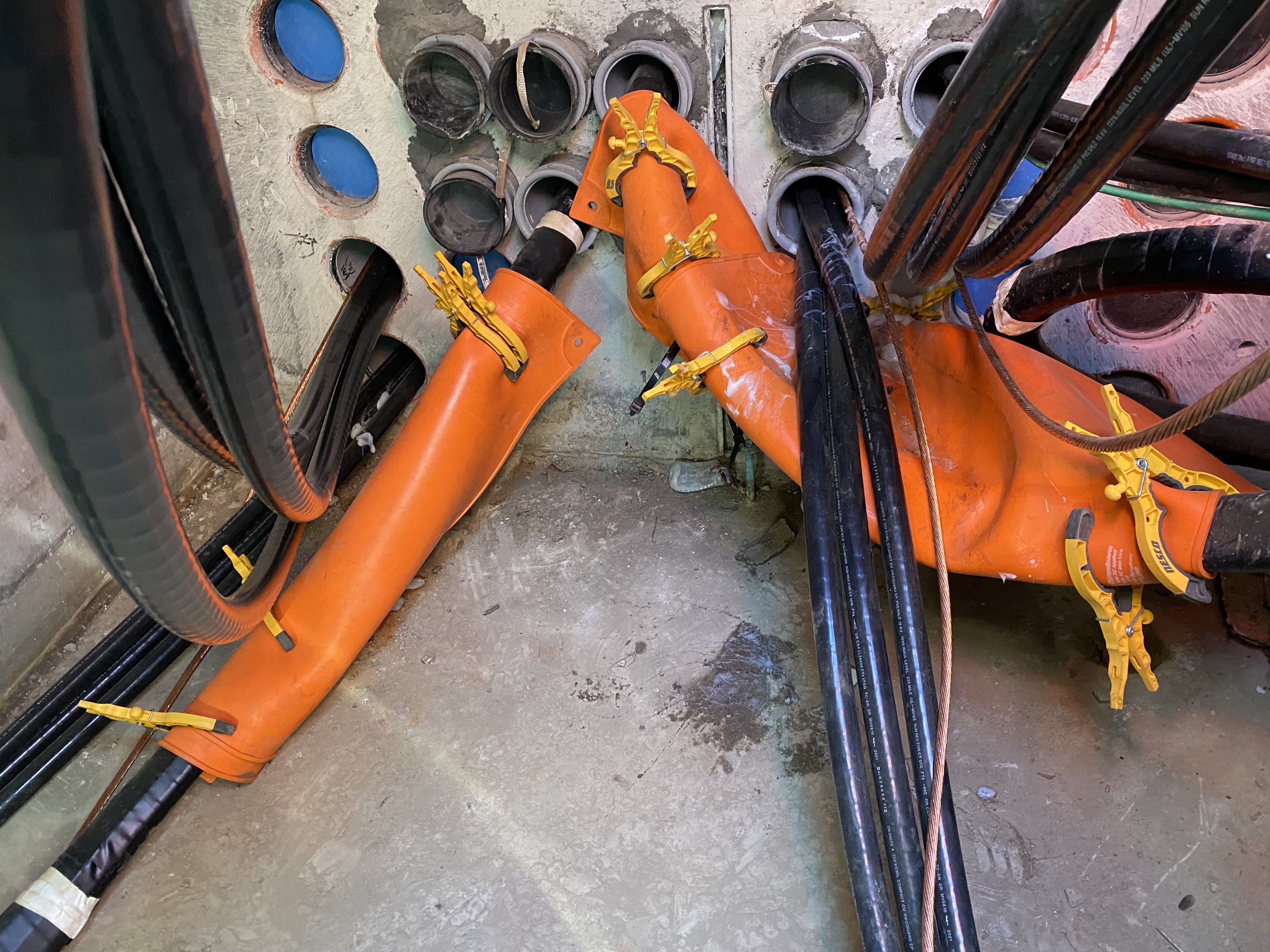
After route and method are confirmed, the project team coordinates excavation or boring, conduit or duct placement where specified, cable installation, utility interfaces, traffic or site access, and protection of nearby assets. Construction details must follow the approved plans and applicable utility requirements.
Testing, Restoration, and Documentation
Before a system is placed in service, qualified personnel complete the inspections and tests required by the project specifications and utility owner. The work also includes backfill or surface restoration as applicable, closeout records, and coordination for acceptance and energization.

Choosing an Installation Approach
Project cost and schedule depend on route length, terrain, existing utilities, voltage, materials, construction method, permits, and restoration. A qualified project team should compare alternatives using site-specific engineering rather than a universal cost or burial-depth assumption.
Explore underground transmission and distribution services.
Frequently Asked Questions
What are the main steps in underground cable installation?
At a high level, projects coordinate the route and existing utilities, select an installation method, complete excavation or boring, place conduit and cable, perform specified tests, and restore the surface. The sequence varies by design.
How deep should underground power cable be installed?
There is no single depth that applies to every installation. Depth and protection requirements depend on voltage, location, installation method, utility standards, and applicable codes; use the approved project design.