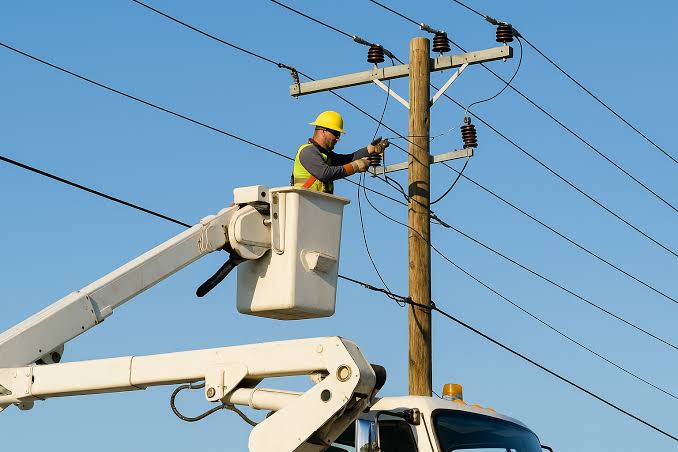
A gen-tie line (short for “generation tie line”) is a dedicated transmission or distribution line that connects a power generation facility — such as a solar, wind, or battery storage site — to the existing utility grid. It carries power from the point of generation to a substation or interconnection point, allowing the generated electricity to be delivered to the grid.
Gen-tie lines are a critical piece of infrastructure for renewable energy and independent power projects, and they come with their own engineering, permitting, and land-use considerations separate from the generation facility itself.
How Gen-Tie Lines Work
A generation facility — a solar farm, wind farm, or battery energy storage system, for example — doesn’t sit directly on top of the utility grid. The gen-tie line is the physical link between:
- The point of interconnection at the generation site (often a step-up substation or switchyard)
- The utility’s existing transmission or distribution system, at a substation or existing line
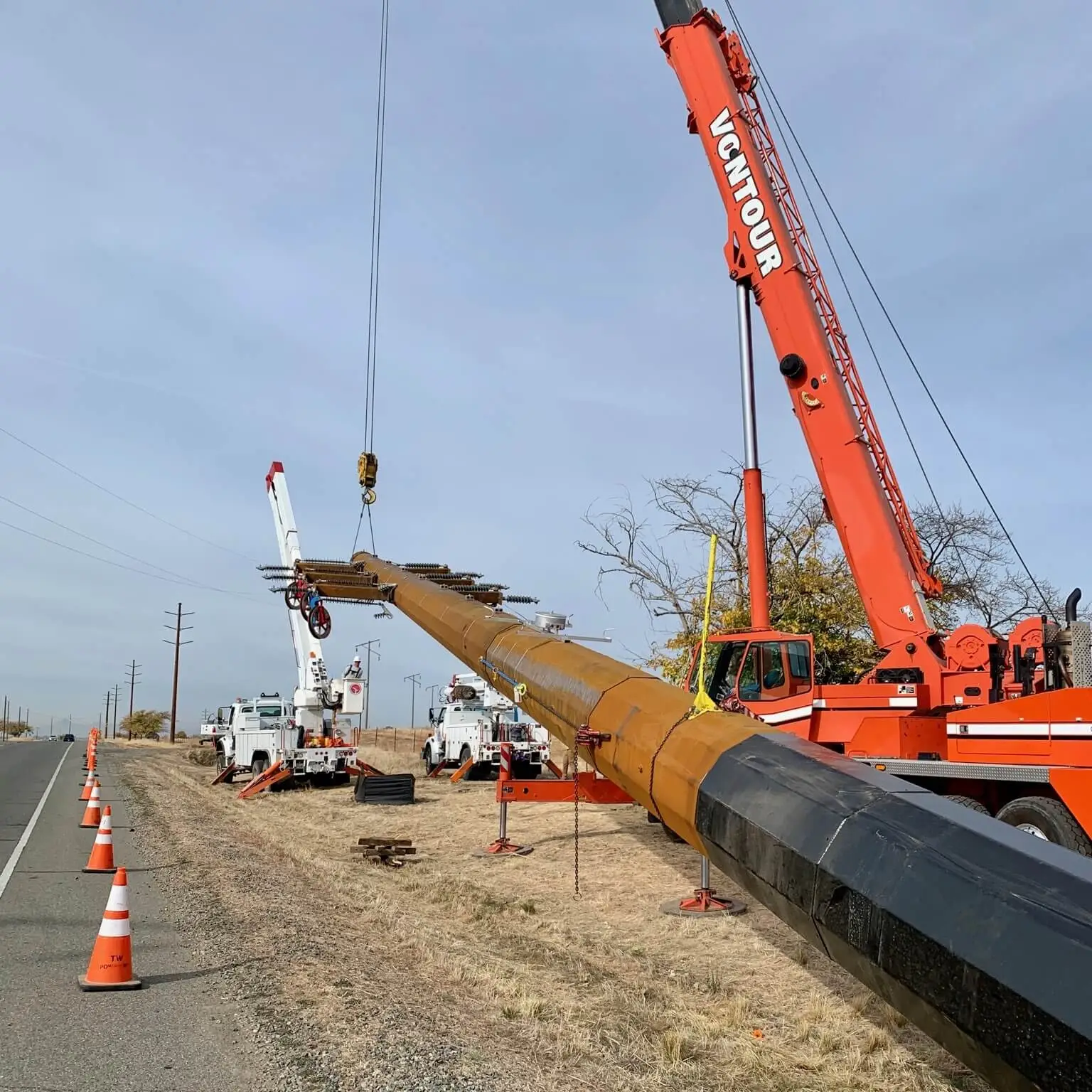
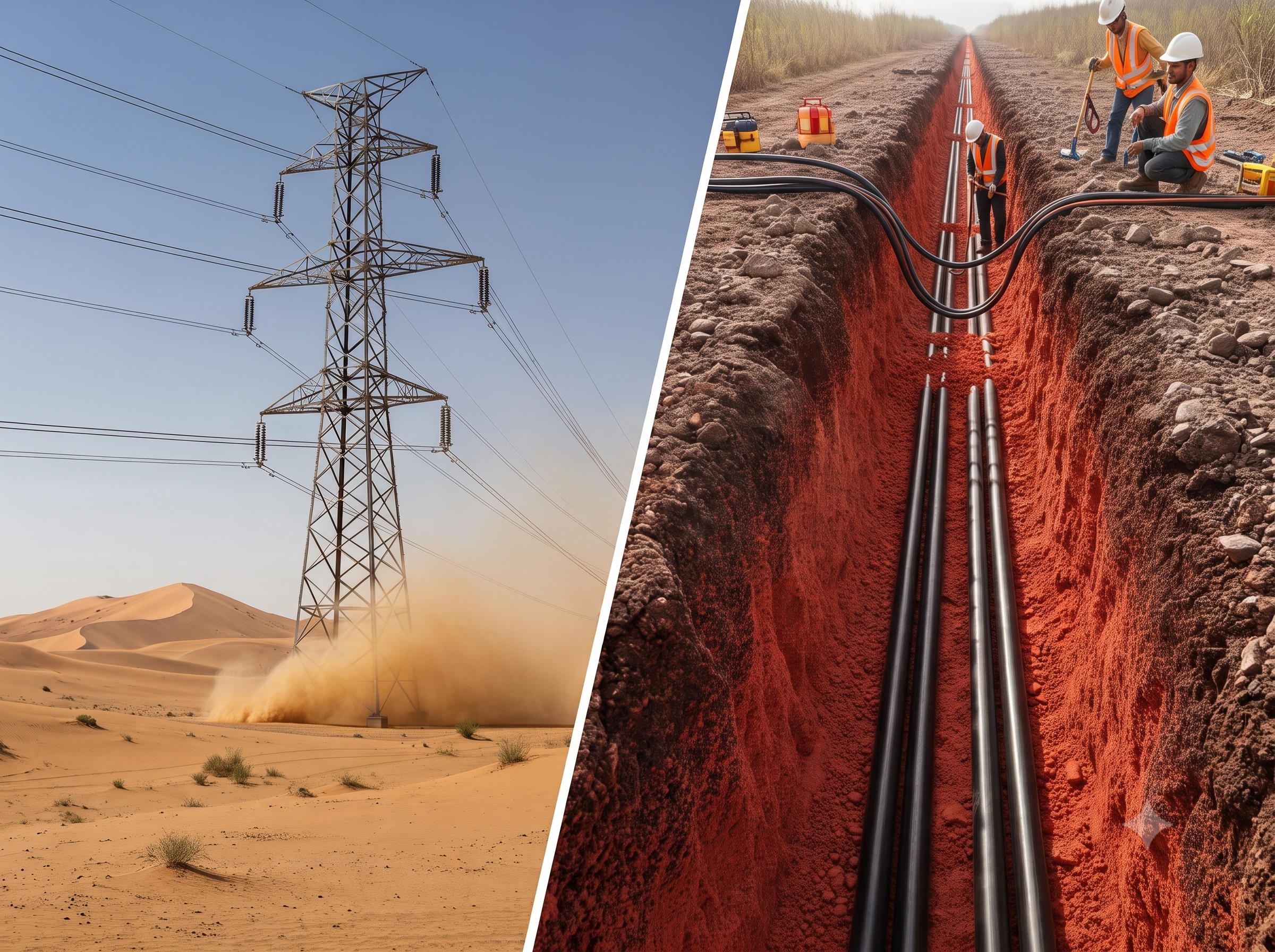
Depending on distance, terrain, and voltage requirements, gen-tie lines can be built overhead, underground, or as a combination of both.
Key Components of a Gen-Tie Line
- Step-up/collector substation — raises voltage from the generation facility to transmission-level voltage
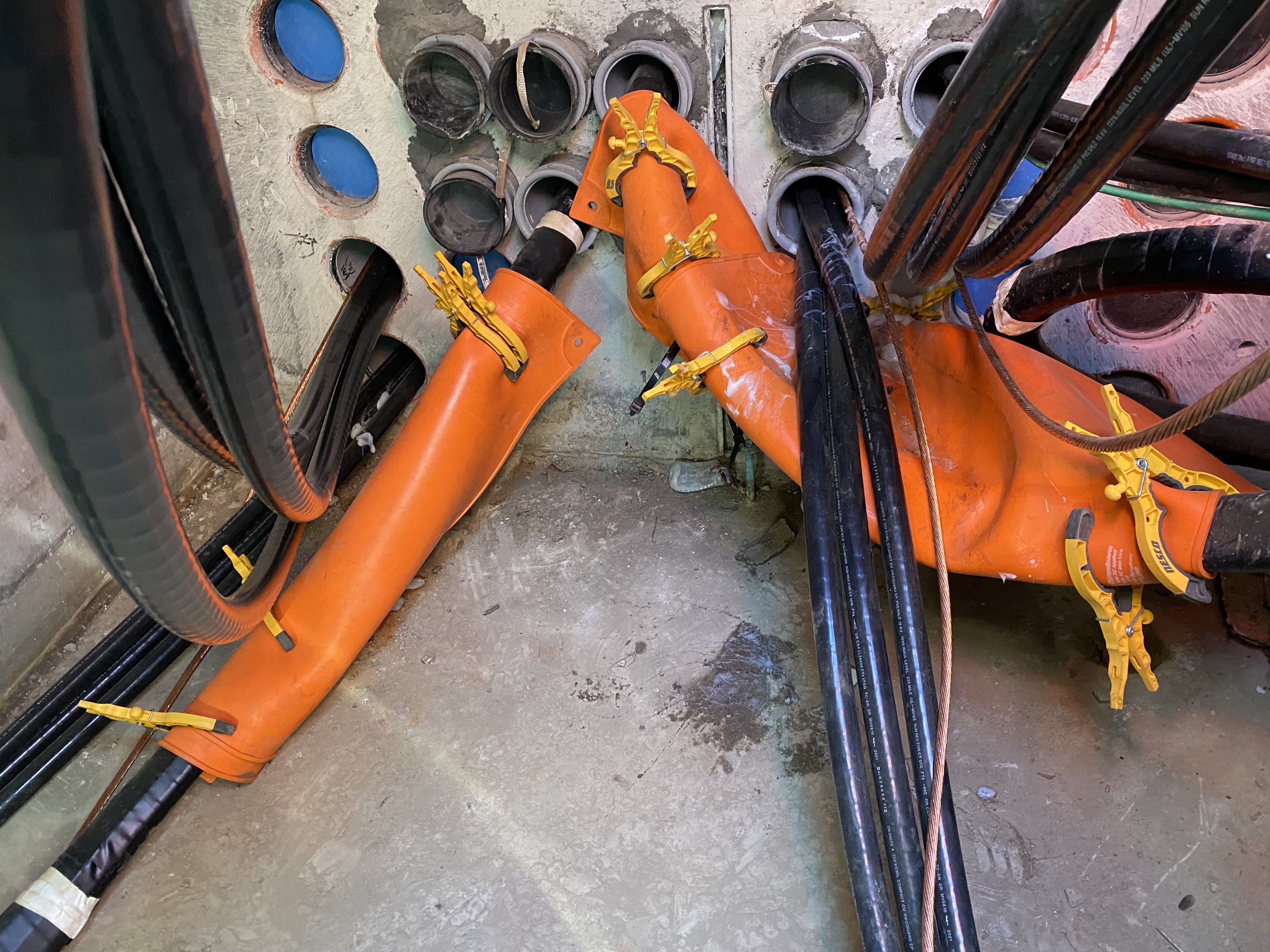
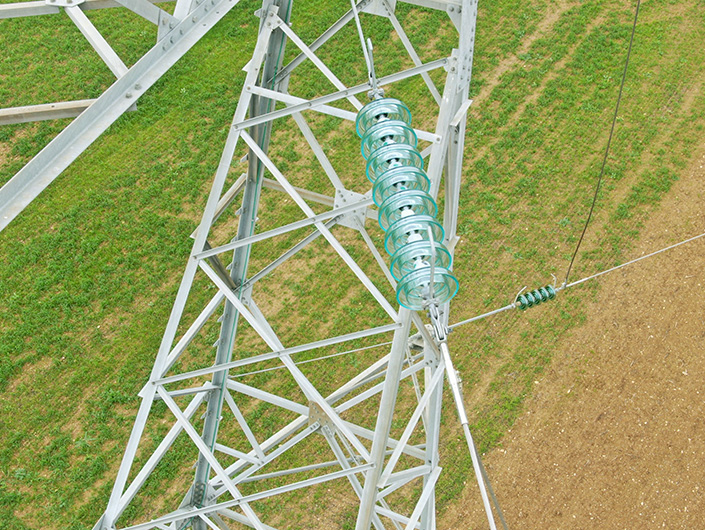
- Transmission or distribution line — overhead poles/towers or underground conductor runs
- Interconnection substation — where the gen-tie line ties into the utility’s existing grid
- Protection and metering equipment — ensures the connection meets utility interconnection standards
Permitting, Easements, and Right-of-Way
Because a gen-tie line often crosses land the generation owner doesn’t already control, right-of-way and easement acquisition is one of the most time-consuming parts of the project. This typically involves:
- Identifying and surveying the corridor between the generation site and the interconnection point
- Negotiating easements with private landowners, or permits with public agencies, along the route
- Environmental and land-use review, particularly for routes crossing sensitive habitat, waterways, or agricultural land
- Utility interconnection studies to confirm the line meets capacity and protection requirements
Early route planning is critical — gen-tie easement and permitting timelines can rival or exceed the construction schedule itself on larger projects.
What Does a Gen-Tie Line Cost?
Gen-tie line costs vary widely based on:
- Distance from the generation site to the interconnection point
- Overhead vs. underground construction (underground is typically more expensive per mile)
- Voltage class required by the utility interconnection agreement
- Terrain and land acquisition costs, including easement negotiation
- Utility upgrade requirements at the point of interconnection
Because of this variability, most gen-tie projects require a project-specific estimate rather than a flat per-mile figure — a preliminary interconnection and routing study is typically the first step.
FAQ
What is the difference between a gen-tie line and a transmission line? A gen-tie line is a specific type of transmission or distribution line built to connect a generation facility to the grid. All gen-tie lines are transmission/distribution infrastructure, but not all transmission lines are gen-tie lines — most simply move power between points on the existing grid.
Who is responsible for building a gen-tie line? This is typically negotiated as part of the interconnection agreement, but in most independent power and renewable energy projects, the generation project developer is responsible for designing, permitting, and constructing the gen-tie line to the utility’s point of interconnection.
Do gen-tie lines need their own easements? Usually, yes. Unless the gen-tie route stays entirely within land the generation owner already controls, a separate easement or right-of-way is needed for the line corridor, negotiated independently from the generation site’s land agreements.
Can a gen-tie line be built underground? Yes. Underground gen-tie construction is common where overhead lines aren’t feasible due to environmental, visual, or land-use constraints, though it generally costs more per mile than overhead construction.