EPC (Engineering, Procurement, and Construction) and design-build are both single-contract delivery methods where one company handles design and construction. The core difference is risk and scope: EPC contracts are typically fixed-price and put full performance risk on the contractor, making them common for large, complex infrastructure like transmission lines and substations. Design-build is a broader umbrella term that can use different pricing structures (fixed-price, cost-plus, or guaranteed maximum price) and is common across many types of construction, not just power infrastructure.
If you’re planning a power line, substation, or gen-tie project, choosing the right delivery method affects your budget certainty, timeline, and how much oversight you’ll need to provide. Here’s how the two compare.
What Is EPC?
EPC stands for Engineering, Procurement, and Construction. Under an EPC contract, a single contractor is responsible for:
- Engineering — designing the system to meet code, utility, and client specifications
- Procurement — sourcing materials, poles, conductors, transformers, and equipment
- Construction — building and commissioning the finished system
EPC contracts are almost always fixed-price (lump-sum), meaning the contractor absorbs the risk of cost overruns, delays, and design errors. This makes EPC especially common in utility-scale power infrastructure, renewable energy interconnections (gen-tie lines), and industrial projects where owners want budget certainty and a single point of accountability.
What Is Design-Build?
Design-build also combines design and construction under one contract, but it’s a more flexible delivery model used across commercial, municipal, and infrastructure construction generally. Design-build projects can be priced several ways:
- Fixed price
- Cost-plus-fee
- Guaranteed maximum price (GMP)
Design-build often involves earlier collaboration between the owner and contractor during design, allowing for more input and adjustments along the way — but that flexibility can also mean less cost certainty compared to a strict EPC structure.
EPC vs. Design-Build: Key Differences
| Factor | EPC | Design-Build |
|---|---|---|
| Pricing structure | Almost always fixed-price | Fixed-price, cost-plus, or GMP |
| Risk allocation | Contractor carries most performance risk | Risk can be shared or negotiated |
| Owner involvement | Minimal after scope is set | Often more collaborative throughout |
| Typical use cases | Utility-scale power, energy, industrial | Broader — commercial, municipal, infrastructure |
| Cost certainty | High | Varies by contract type |
Which Delivery Method Is Right for Your Power Line Project?
EPC tends to be the better fit when:
- You need firm budget certainty before breaking ground
- The project involves specialized utility or high-voltage work
- You want a single point of accountability from design through energization
- The project is a renewable energy interconnection or gen-tie line with strict utility interconnection requirements
Design-build may be a better fit when:
- The scope is likely to evolve and you want more input during design
- You’re comfortable with variable pricing in exchange for flexibility
- The project blends power infrastructure with other site or building work
How TW Power Line Approaches EPC and Design-Build
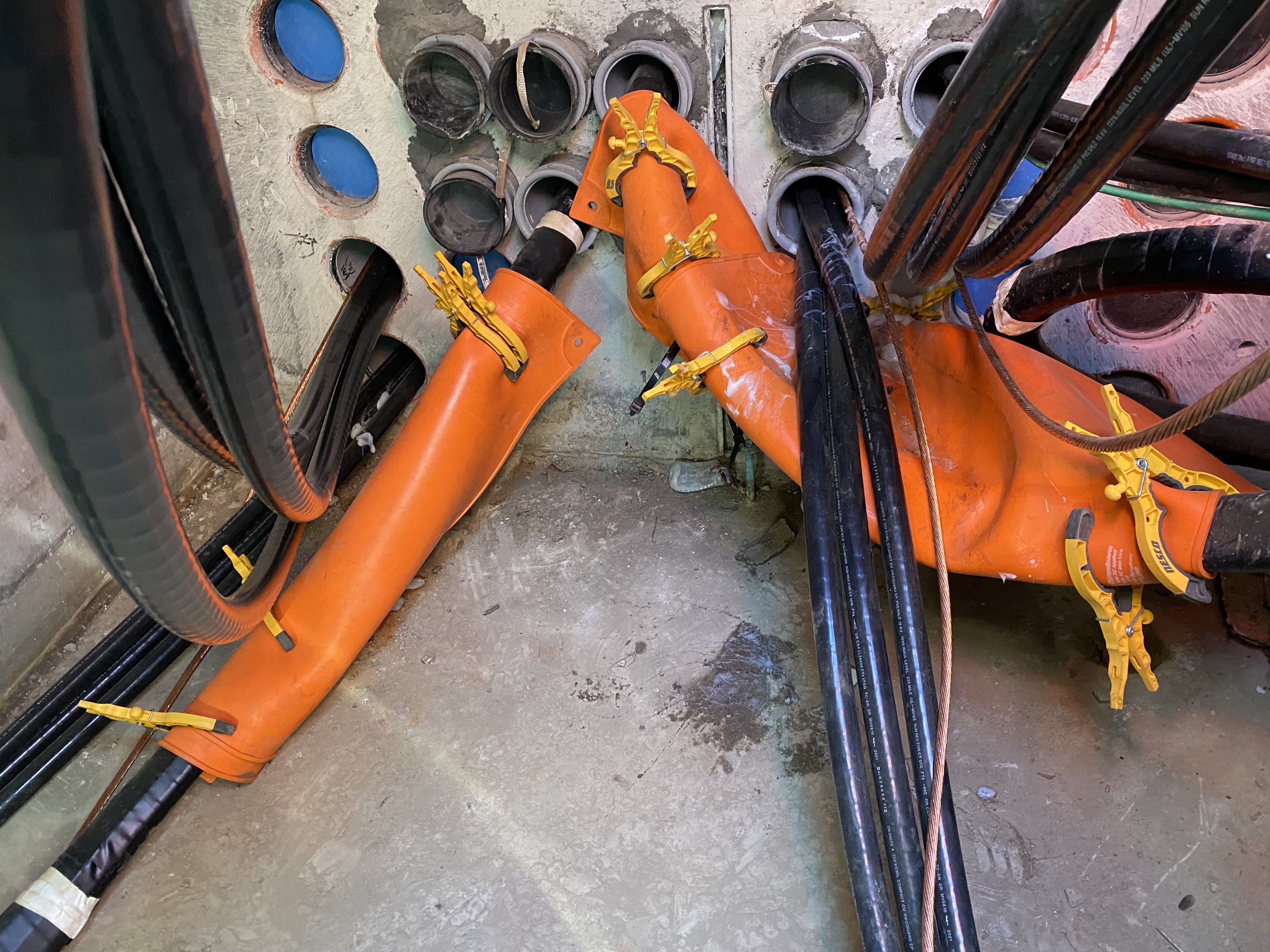
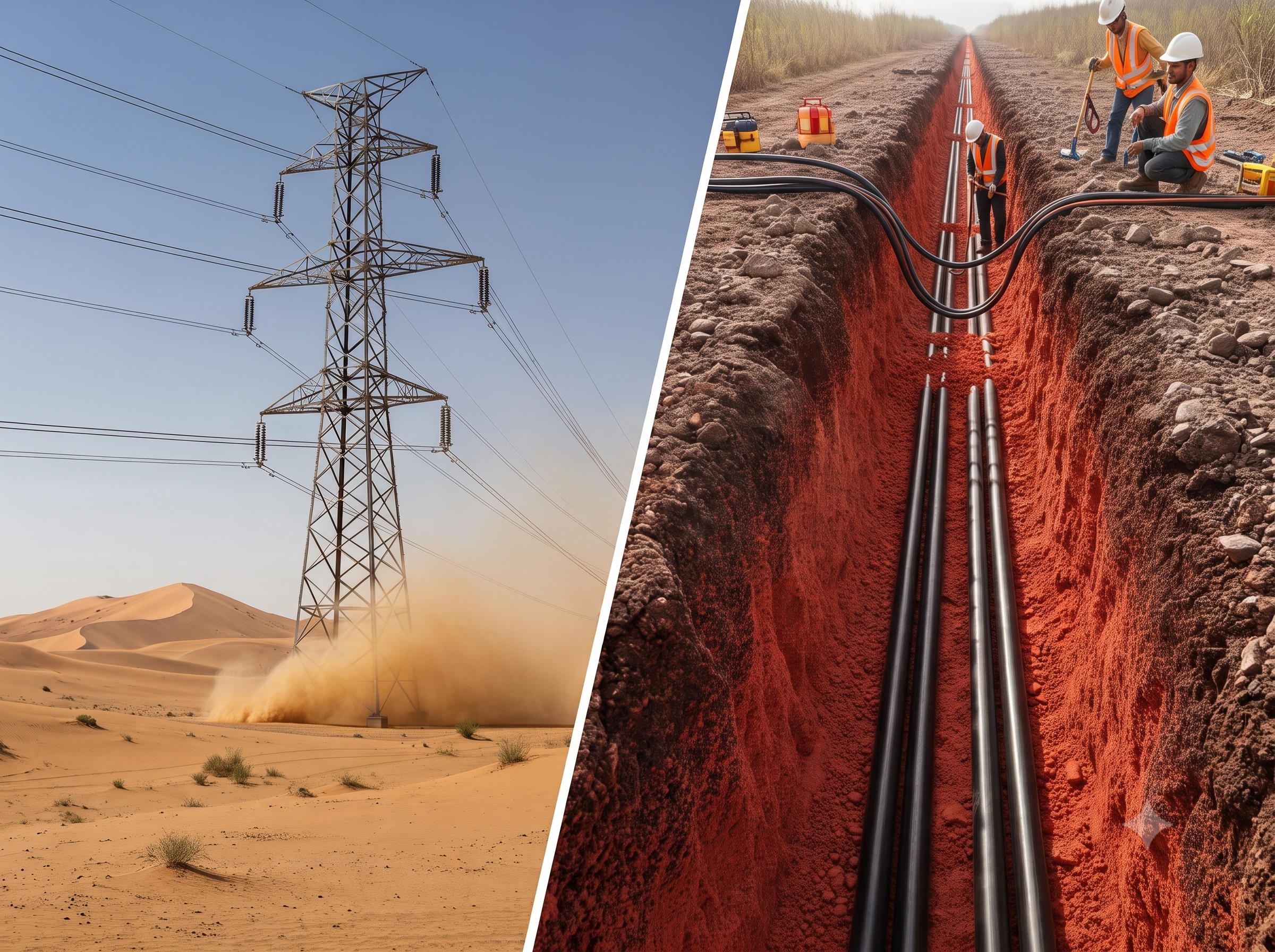
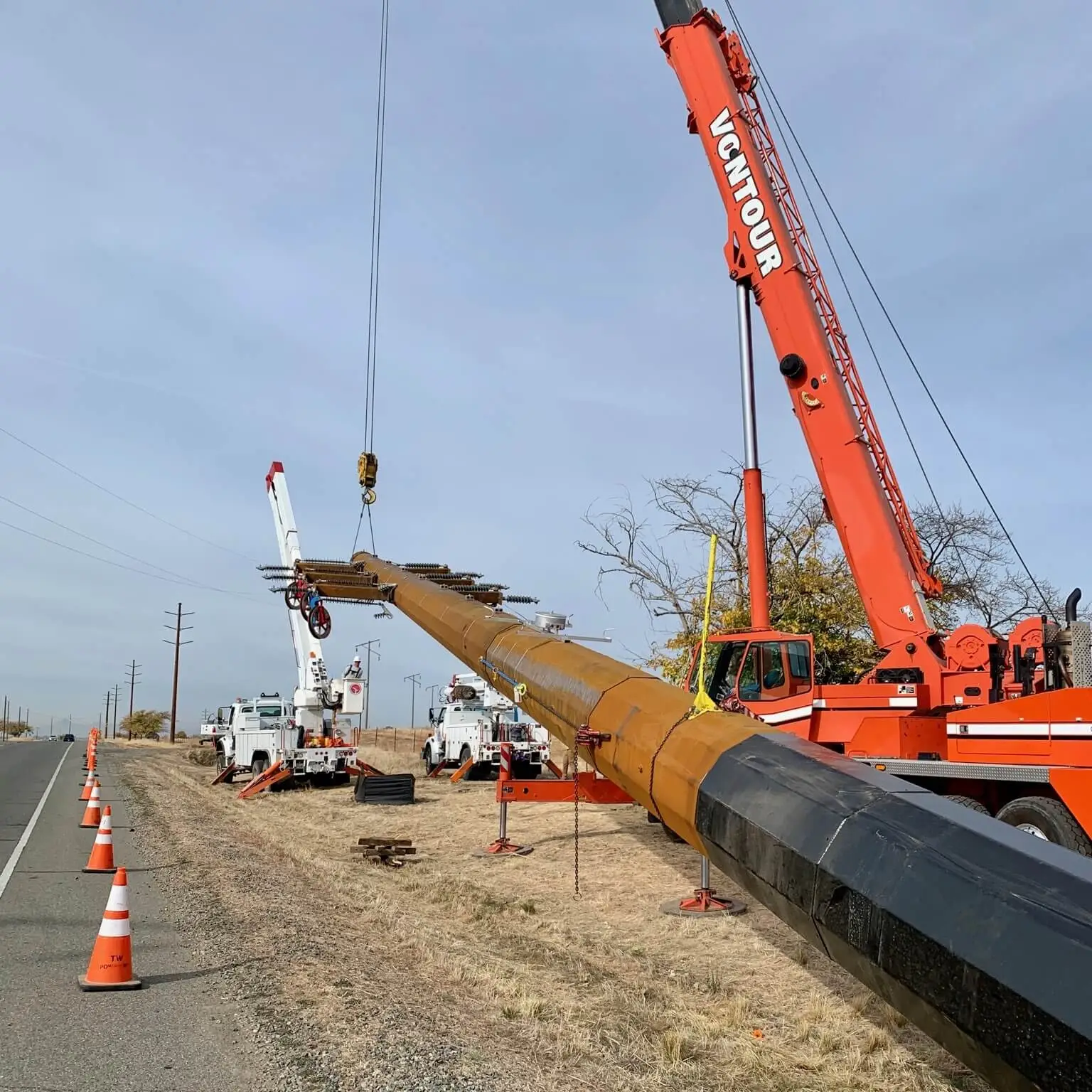
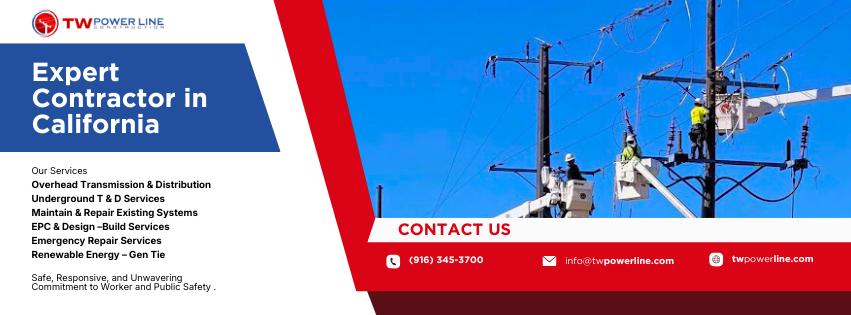
TW Power Line delivers both overhead and underground transmission and distribution projects using turnkey EPC and design-build methods, tailored to the complexity and risk profile of each project. For utility interconnections and renewable gen-tie work, an EPC structure is typically recommended to give owners cost certainty from engineering through commissioning.
FAQ
Is EPC more expensive than design-build? Not necessarily. EPC contracts often carry a risk premium built into the fixed price, since the contractor is absorbing more risk — but that premium can be offset by avoiding change orders and cost overruns later.
Can a design-build contract be fixed-price like EPC? Yes. Design-build contracts can use a fixed-price structure, which is one reason the two terms are sometimes used interchangeably — though EPC specifically implies the engineering, procurement, and construction scope under one contractor.
What delivery method is best for a gen-tie line? EPC is the most common choice for gen-tie and utility interconnection projects because of the strict engineering and permitting requirements and the value of fixed-price cost certainty.