When utilities, municipalities, or developers are deciding between overhead and underground powerline installations, cost is always a central concern—but upfront price tells only part of the story. A full life-cycle cost analysis provides a more accurate view of long-term value, factoring in not just construction, but also operations, maintenance, risk exposure, and service reliability.
For financial decision-makers evaluating infrastructure investments, understanding the total cost of ownership across both system types is critical to making informed, future-ready choices.
Upfront Costs: A Familiar Comparison
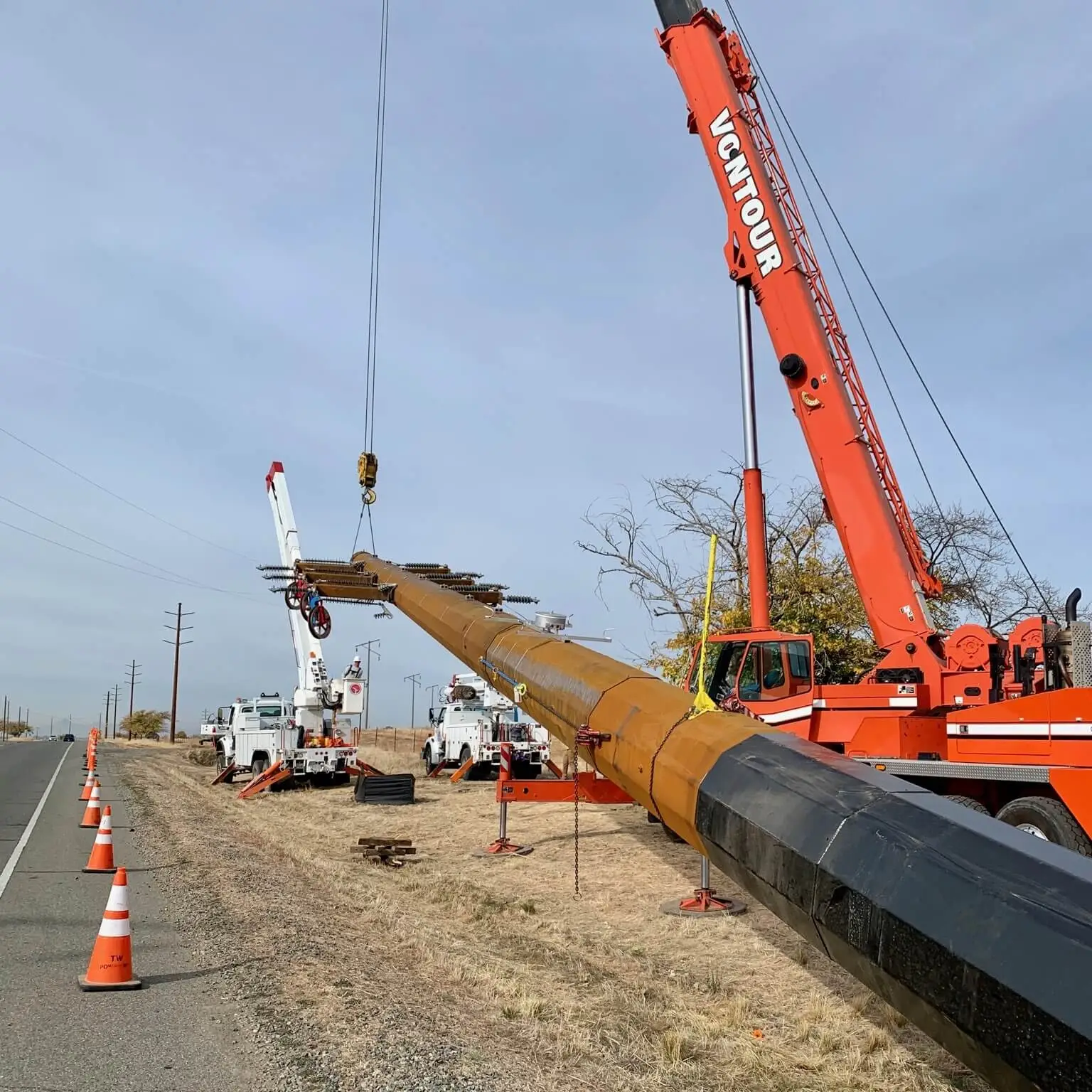
The difference in upfront costs between overhead and underground systems is dramatic. According to the Edison Electric Institute, overhead distribution systems are typically two to five times less expensive to install than underground alternatives. Pole setting and conductor stringing require fewer labor hours than trenching and duct bank installation, and material costs—such as wood or steel poles and open-air conductors—are significantly lower. Because of these advantages, overhead lines remain the preferred option for utility extensions in rural or low-density areas.
Long-Term Maintenance and Inspection
Upfront savings, however, often lead to higher maintenance costs over time. Overhead systems are exposed to weather, vegetation, and vehicle impacts, requiring frequent inspections and storm response. Pole replacement cycles usually occur every 25 to 40 years, adding long-term expense.
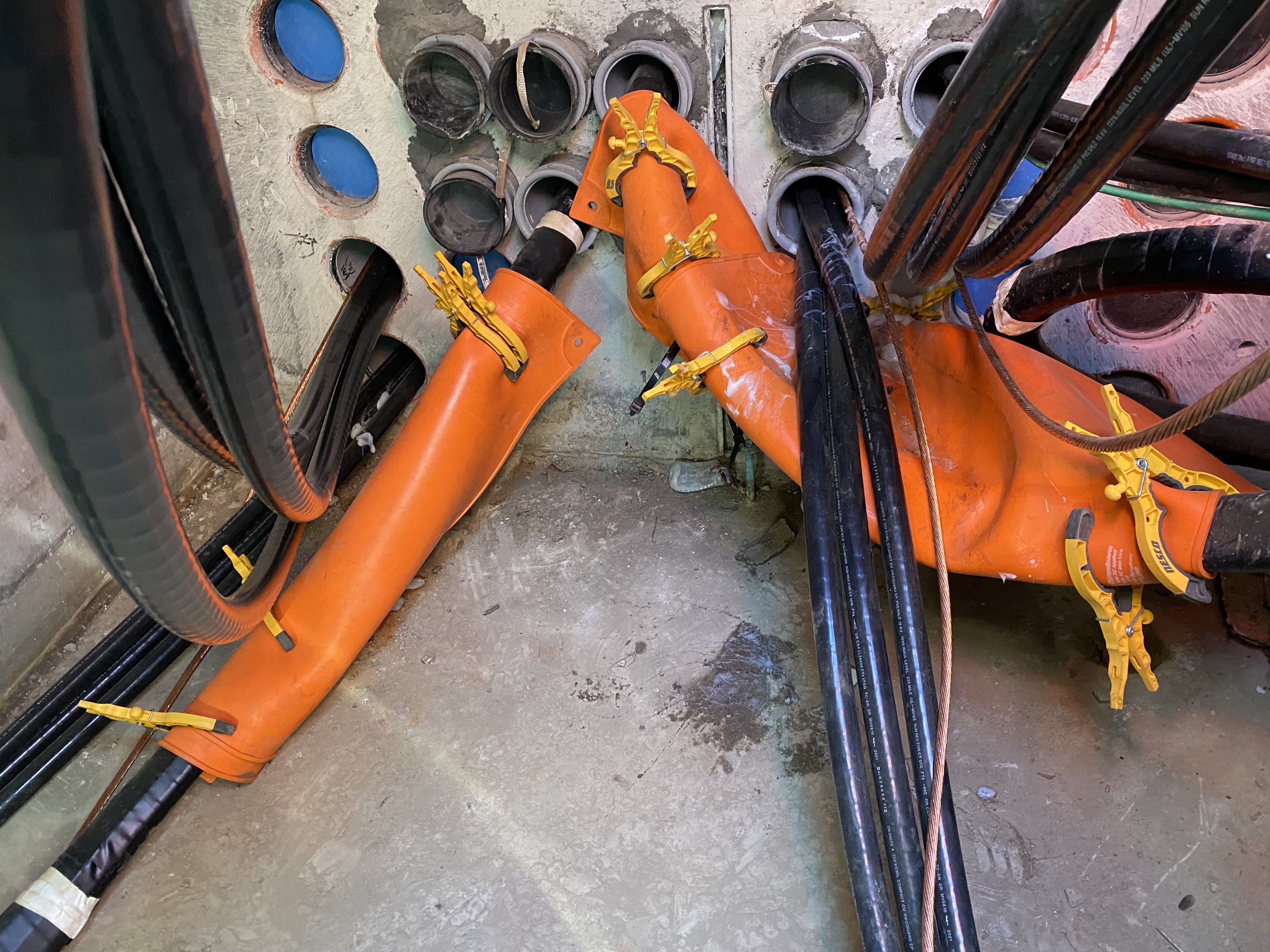
By contrast, underground T&D services are less exposed to external elements. They experience fewer outages from wind, trees, or ice, and many ducted systems can last more than 50 years. However, when failures occur, repairs are complex and expensive. The U.S. Department of Energy reports that restoring an overhead outage averages between $3,000 and $5,000 per mile of line, while underground repairs can exceed $20,000 per mile. This shifts the financial burden from frequent, lower-cost fixes to rare but much higher-cost interventions.
Reliability and Risk Considerations
For regions prone to wildfires, hurricanes, or ice storms, reliability is a critical financial driver. Underground systems are far less likely to suffer storm-related damage, which means fewer outages, lower emergency spending, and improved customer trust. In flood-prone areas, however, groundwater intrusion can damage underground cables, driving up future repair and replacement costs.
A recent Gulf Coast case study illustrates this tradeoff. A municipal utility chose to underground lines along evacuation routes. While upfront costs were higher, storm-season outages dropped by more than 70 percent, saving millions in emergency restoration and strengthening public trust in the city’s infrastructure planning.
Aesthetics, Permitting, and Public Opinion
Beyond performance, aesthetics and community expectations shape infrastructure choices. Urban and suburban residents often prefer underground systems for their visual appeal and safety. While these considerations do not appear directly in financial models, they influence permitting approvals, zoning decisions, and property values. Many municipalities also treat underground systems as investments in long-term public relations, factoring community satisfaction into capital improvement strategies.
Total Cost of Ownership: A Financial Decision Matrix
A true life-cycle cost analysis must extend beyond installation. Financial models should consider initial engineering and construction, inspection and maintenance cycles, outage and storm-response spending, labor and equipment access for repairs, long-term depreciation timelines, and the cost of regulatory compliance. Each factor carries a different weight depending on location, terrain, and project scope.
Hybrid Approaches and Regional Considerations
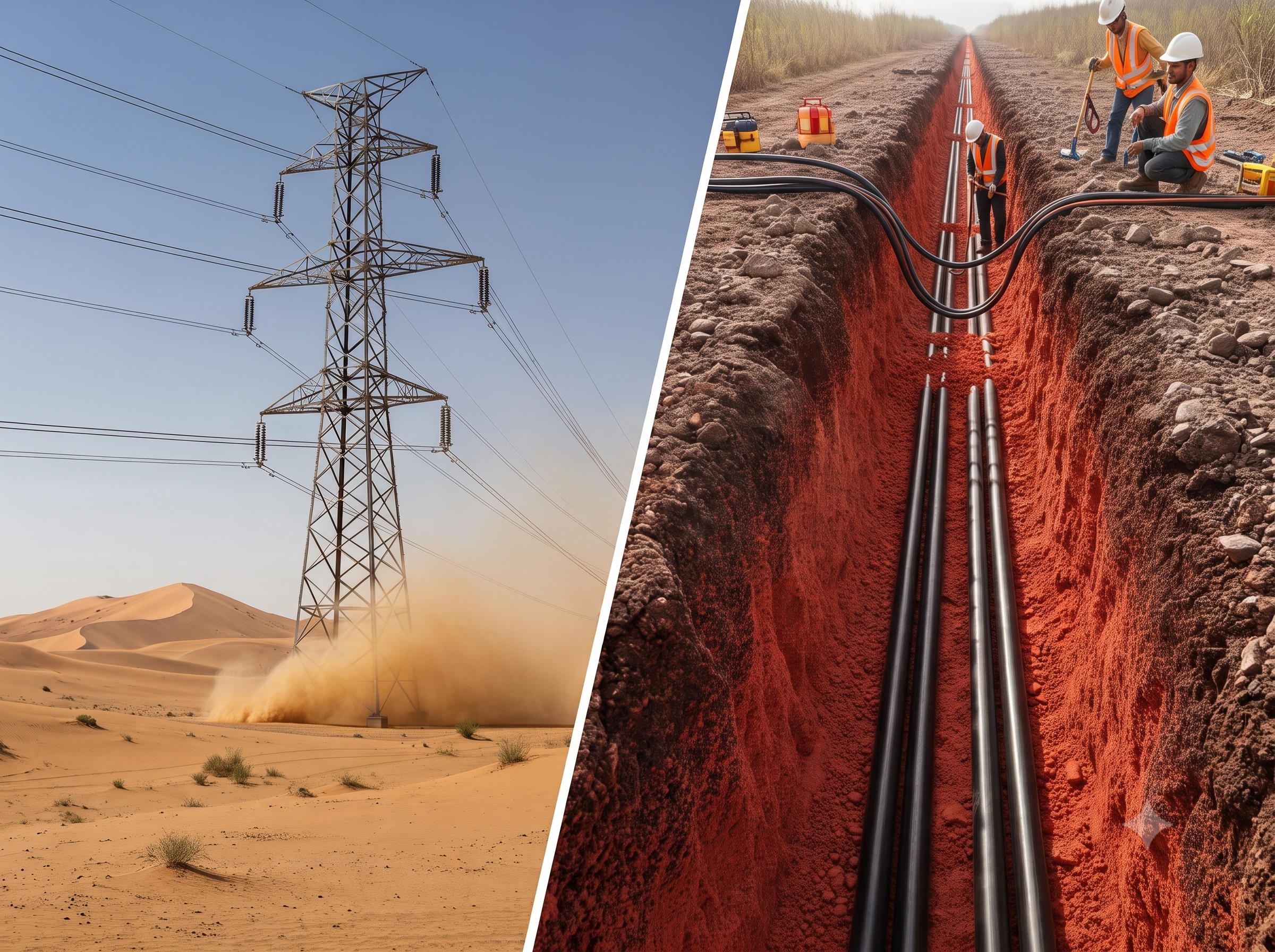
Many utilities are now turning to hybrid solutions that combine both overhead and underground systems. Overhead lines may be used in low-risk or rural areas where installation is cost-effective, while underground systems are deployed in dense urban zones or fire-prone regions to improve reliability and safety. This blended model balances return on investment, targeted reliability, and budget flexibility while adapting to soil conditions, terrain, and risk exposure.
TW Powerline’s Support in System Planning
For clients weighing these long-term decisions, TW Powerline provides integrated cost modeling and project planning support. Our teams compare life-cycle performance scenarios using real-world data, estimate permitting and environmental compliance costs, and design staged buildouts that balance both risk and budget requirements. With experience in both overhead and underground systems, TW Powerline delivers scalable, transparent solutions that align capital investments with long-term value.
Unlike standard contractors, our differentiator lies in combining engineering expertise with regulatory navigation. This ensures that projects move forward efficiently while meeting safety, compliance, and community expectations.
Final Thoughts
The choice between overhead and underground systems isn’t just about today’s construction bid—it’s about decades of financial performance, operational risk, and community impact. A life-cycle cost analysis ensures financial leaders can move beyond spreadsheets and make decisions that stand the test of time.
Choosing the wrong approach can result in hidden costs, unplanned risks, and community dissatisfaction for decades. Partnering with experts like TW Powerline ensures that every investment delivers reliable returns and long-term trust.
Looking for guidance on your next infrastructure decision? Contact TW Powerline to align your capital investment with both immediate needs and future value.