As wildfires become more frequent and intense across the western United States, overhead powerline deployment strategies must adapt to meet evolving safety and environmental risks. For safety officers and environmental specialists, the goal isn’t just to build systems that perform—it’s to build systems that protect.
Especially in fire-prone regions, overhead powerline projects must address ignition risk, emergency access, vegetation impact, and regulatory compliance at every stage. By planning proactively and integrating risk-mitigation practices into both design and maintenance, utilities and contractors can dramatically reduce their exposure and help protect surrounding communities.
Understanding the Fire Risk Landscape
Electrical infrastructure is often cited as a contributing factor in major wildfires, particularly in areas with dry vegetation, high winds, and aging equipment. According to CAL FIRE (2022), electrical power equipment was the cause of over 10% of California’s wildfires between 2017 and 2021, with vegetation contact as a leading ignition factor. The percentage of incidents tied to electrical equipment has increased steadily over the past decade, highlighting the urgency for prevention.
Ignition risks can come from conductor clashing during high winds, faults that eject sparks or hot materials, contact with dry vegetation due to insufficient clearance, or equipment failure and improper grounding. While these threats can’t be eliminated, deliberate planning, smart design, and continuous inspection can reduce them significantly. In high-risk zones, wildfire safety in utility infrastructure is non-negotiable.
Site Assessment and Pre-Construction Mitigation
Wildfire prevention starts well before the first pole is installed. Safety and environmental teams perform fire risk assessments that evaluate fuel loads, slope conditions, and wind exposure.
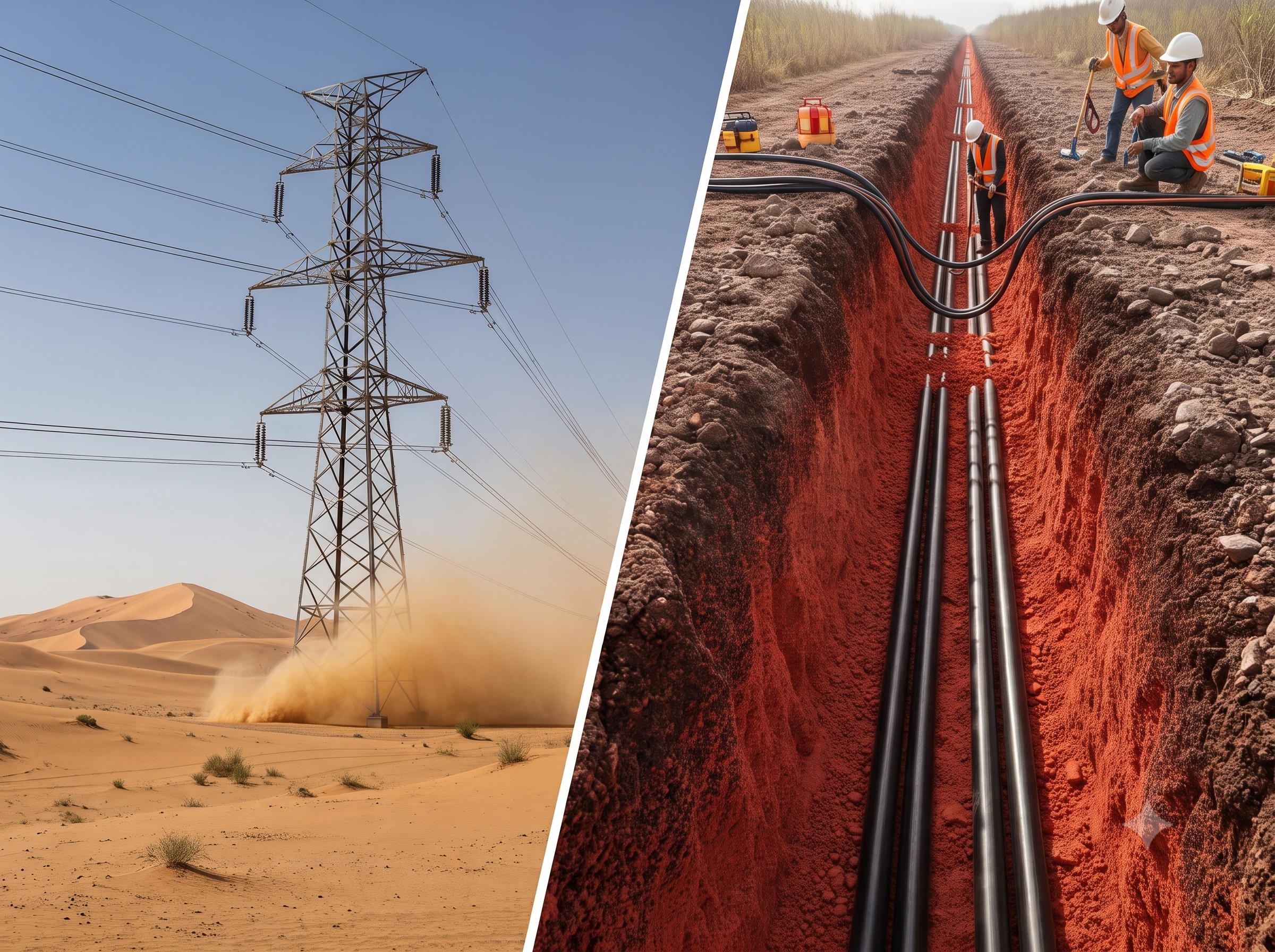
Working with local fire agencies and forestry departments ensures projects align with regional prevention efforts. Strategic route selection avoids dense brush or inaccessible terrain, reducing ignition and maintenance risks. Weather and vegetation modeling tools guide decisions on pole placement, materials, and access road locations, ensuring safer and more maintainable overhead distribution systems.
Engineering with Fire Safety in Mind
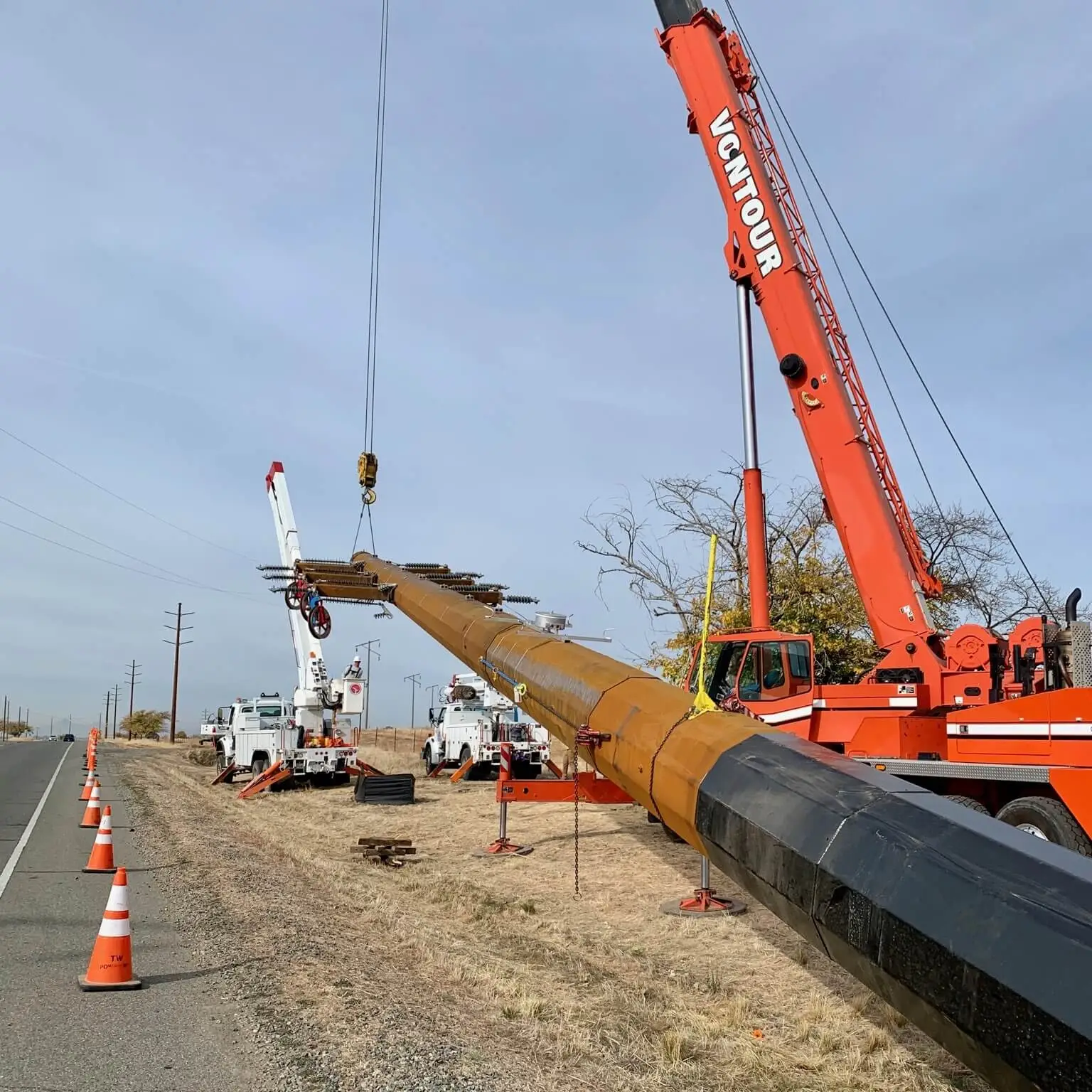
Designing for wildfire-prone areas requires targeted strategies. Wider conductor spacing reduces clashing risk, while fire-resistant pole materials like steel or composite outperform wood in extreme conditions. Covered conductors insulate against arcing during faults, and increased vegetation clearances lower the risk of contact.
Installing sectionalizing devices allows faults to be isolated quickly, preventing further hazards. By engineering for resilience, utilities can limit both the likelihood and severity of fire-related incidents.
Vegetation Management and Clearances
Vegetation near powerlines is one of the most significant contributors to wildfire ignitions. Strong vegetation management programs use trimming cycles based on species growth, GIS tracking of outages, and drone or LiDAR surveys to monitor canopy density.
Partnering with property owners in rights-of-way helps ensure long-term compliance. Maintaining proper clearances is both a safety measure and a regulatory requirement at the state and federal levels.
Inspection and Maintenance Protocols
Routine inspections are critical in wildfire-prone areas. Annual visual checks prepare systems for the hot, dry season, while infrared imaging detects overheating components.
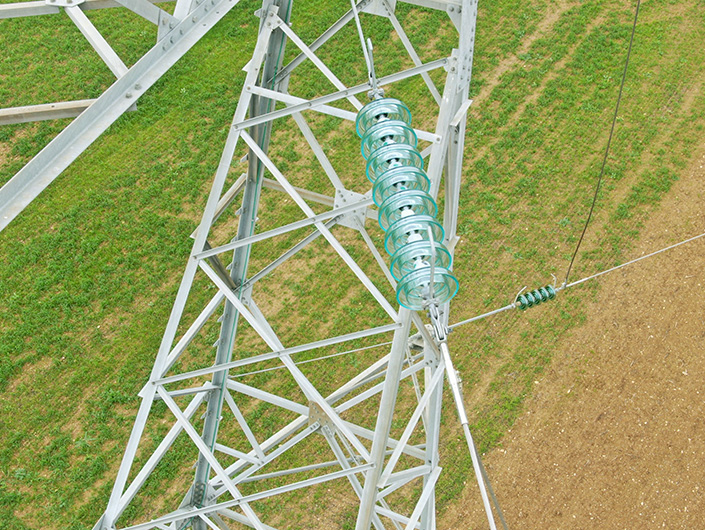
Bolt torque checks, hardware condition assessments, and immediate repairs for damaged insulators or splices prevent ignition points. Fire patrols during red-flag warnings or after lightning events add another safeguard. In high-risk zones, inspections increase during peak fire season to strengthen protection.
Emergency Preparedness and Shutoff Protocols
In extreme weather, utilities may implement Public Safety Power Shutoffs (PSPS) to prevent wildfire ignition. This requires predefined procedures, real-time weather and wind monitoring, and communication plans to alert agencies and customers.
Keeping emergency responder access routes clear ensures rapid intervention when needed. These measures protect public safety while limiting operational and legal risks.
TW Powerline’s Commitment to Wildfire Mitigation
With extensive experience across California and the western U.S., TW Powerline delivers infrastructure that meets utility performance goals while exceeding wildfire safety requirements.
We apply a proactive methodology that combines above-code vegetation clearance, fire-resistant material selection, and a proprietary inspection scheduling system that increases inspections ahead of forecasted high-wind events. This system integrates GIS hazard mapping, weather modeling, and resource staging to ensure crews are positioned to act before conditions reach critical thresholds.
Expert Insight: “Wildfire safety starts in the design phase and continues every day of a line’s life. By combining proactive planning, durable materials, and strict inspection schedules, we create systems that protect as much as they perform.” — TW Powerline Safety Officer
A recent high-risk zone rebuild replaced wooden poles with composite materials, installed covered conductors, and expanded vegetation clearances beyond code, resulting in a system that met utility demands while significantly lowering ignition potential.
Final Thoughts
As wildfire threats grow, powerline deployment strategies must evolve in parallel. Integrating fire risk considerations into every stage—from route planning and engineering to vegetation control and inspections—helps utilities safeguard communities, meet regulatory standards, and ensure reliable service.
If your organization needs to strengthen wildfire prevention before peak fire season begins, contact TW Powerline to learn how we can design, build, and maintain infrastructure that meets the highest safety standards while addressing regional fire risks.