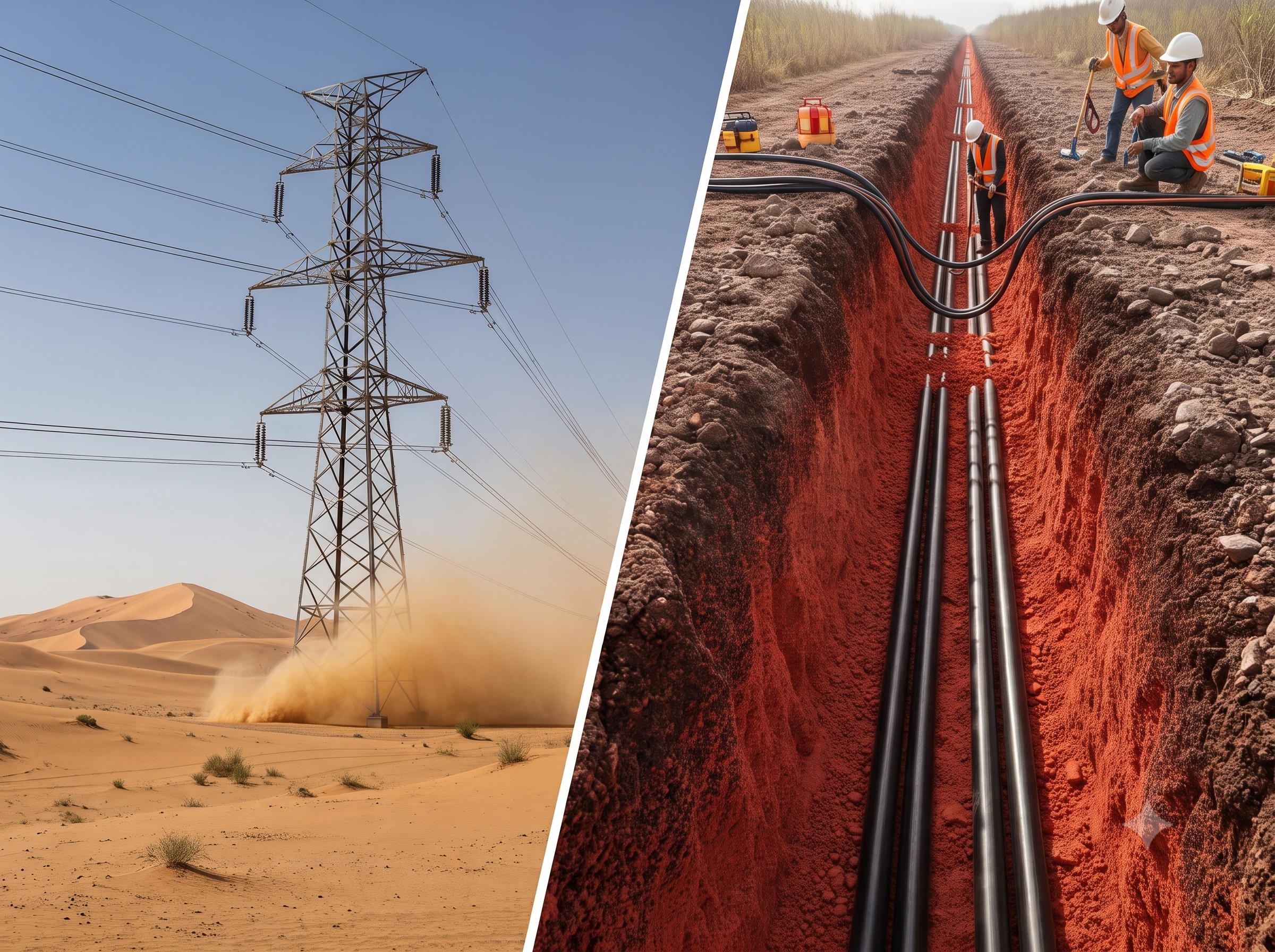
When it comes to maintaining reliable electrical infrastructure, below-ground powerlines present a unique set of challenges and opportunities. Unlike overhead networks, these installations are hidden from view, which makes routine inspections all the more critical. For field technicians, thorough and systematic inspection practices are essential to identifying early signs of wear, environmental damage, or performance issues before they escalate into outages or safety risks.
Why These Systems Require Specialized Inspections
Underground networks are naturally shielded from external factors like wind and falling branches, but they come with their own set of vulnerabilities. Moisture intrusion, soil movement, corrosion, and thermal stress can quietly degrade performance over time. Since most damage isn’t visible from the surface, inspections must be methodical and technology-driven.
Inspection Frequency and Triggers
While schedules vary depending on utility practices and system age, industry standards recommend:
- Routine inspections every 3–5 years
- Post-event inspections after storms, floods, or seismic activity
- Targeted inspections prompted by fault indicators or smart grid alerts
High-load circuits and aging cable routes often demand more frequent monitoring, especially in dense urban environments.
Best Practices in Field Inspection Workflows
1. Pre-Inspection Planning
Preparation is critical to a successful inspection. Before arriving on site, technicians should review:
- GIS data and historical repair records
- Known weak points or high-fault zones
- Necessary tools, PPE, and safety permits for vault or manhole entry
This helps streamline operations and reduces the risk of field delays.
2. Safety in Confined Spaces
Vaults and subsurface enclosures demand extra precautions:
- Atmospheric testing for oxygen, toxic gases, and combustible vapors
- Use of confined space entry permits and two-person teams
- Required PPE: insulated gloves, arc-rated gear, and fall protection
Technicians must never work alone in these environments. Regular safety drills and real-time monitoring help ensure every team returns safely.
3. Using Advanced Diagnostic Tools
Field crews rely on multiple diagnostic technologies to evaluate underground distribution systems. These include:
- Infrared thermography to detect overheating joints and splices
- Partial discharge testing to assess insulation degradation
- Time Domain Reflectometry (TDR) for pinpointing faults along the cable route
- Ground Penetrating Radar (GPR) to locate conduits and buried junctions
These tools enable precise fault location while minimizing unnecessary excavation.
4. Documentation and Reporting
Post-inspection, findings should be recorded in standardized digital formats. Key items include:
- Thermal images or photos of damage
- Voltage or resistance measurements
- Geo-tagged locations and timestamps
- Clear repair recommendations or monitoring notes
Consistent documentation builds institutional knowledge and helps prioritize capital projects.
Why Inspections Matter to Utility Clients
For utilities, developers, and municipalities, these inspections aren’t just about maintenance—they’re about reliability, safety, and financial efficiency. Effective inspection programs:
- Extend the life of buried assets
- Reduce unplanned outages and emergency costs
- Prevent environmental or public safety hazards
- Support regulatory and audit readiness
Proactive inspection translates to better customer service and lower long-term costs.
TW Powerline’s Inspection Capabilities
As part of our comprehensive power line services, TW Powerline offers specialized inspection support for underground systems. Our experienced technicians are certified in confined space entry and trained in advanced diagnostic technologies.
What we deliver:
- Digital reporting with real-time data upload
- Coordination with repair teams for seamless handoffs
- Predictive insights to support replacement planning
By partnering with TW Powerline, utility clients gain peace of mind that their underground infrastructure is monitored with precision and professionalism.
Career Spotlight: Growth for Field Technicians
Inspection work offers an ideal path for early-career technicians looking to build foundational skills. At TW Powerline, every field tech receives:
- Hands-on training in advanced diagnostics
- Exposure to confined spaces and high-voltage safety standards
- Mentorship from senior field leads
Technicians often grow into roles in quality assurance, diagnostics, or construction supervision, making this a smart entry point into a dynamic industry.
Final Thoughts
Reliable electrical delivery starts below the surface. With careful inspection practices, modern tools, and a safety-first mindset, field technicians ensure that buried infrastructure continues to perform without fail.
Looking for reliable inspection support? TW Powerline is ready to assist utilities and municipalities with inspection programs built for longevity and safety.
Interested in a hands-on career in the field? Check out TW Powerline’s open technician roles and grow your expertise from the ground up.